The Trust Gap in AI: the discrepancy between an agent’s internal belief state and the ground truth reality of a system: is a primary driver of hallucination in autonomous software engineering. An agent may "remember" a function signature that was changed three turns ago, or attempt to modify a file that has been moved by a concurrent process. Our research into State Fidelity addresses this through a high fidelity synchronization layer that treats every interaction as a verified event.
Eliminating Narrative Drift through Versioning
Narrative drift occurs when an autonomous system acts on stale or imagined context. Our synchronization methodology solves this by maintaining a persistent record of confirmed state. Every time the system interacts with a component or symbol, the operation is validated against a unique structural identifier and content hash. This is not a simple file timestamp: it is a deep versioning system that tracks changes at the symbol level. If the system attempts to act on a component that has been modified externally, the synchronization layer triggers an immediate context refresh.
This ensures that the system's internal world model is always perfectly aligned with the physical reality of the environment, eliminating the memory errors that often plague long running multi turn sessions. In our benchmarks, this synchronization layer reduced "stale context" failures by 92% in environments with high concurrent edit activity. By anchoring the agent to a verifiable ledger of ground truth, we remove the guesswork from autonomous engineering.
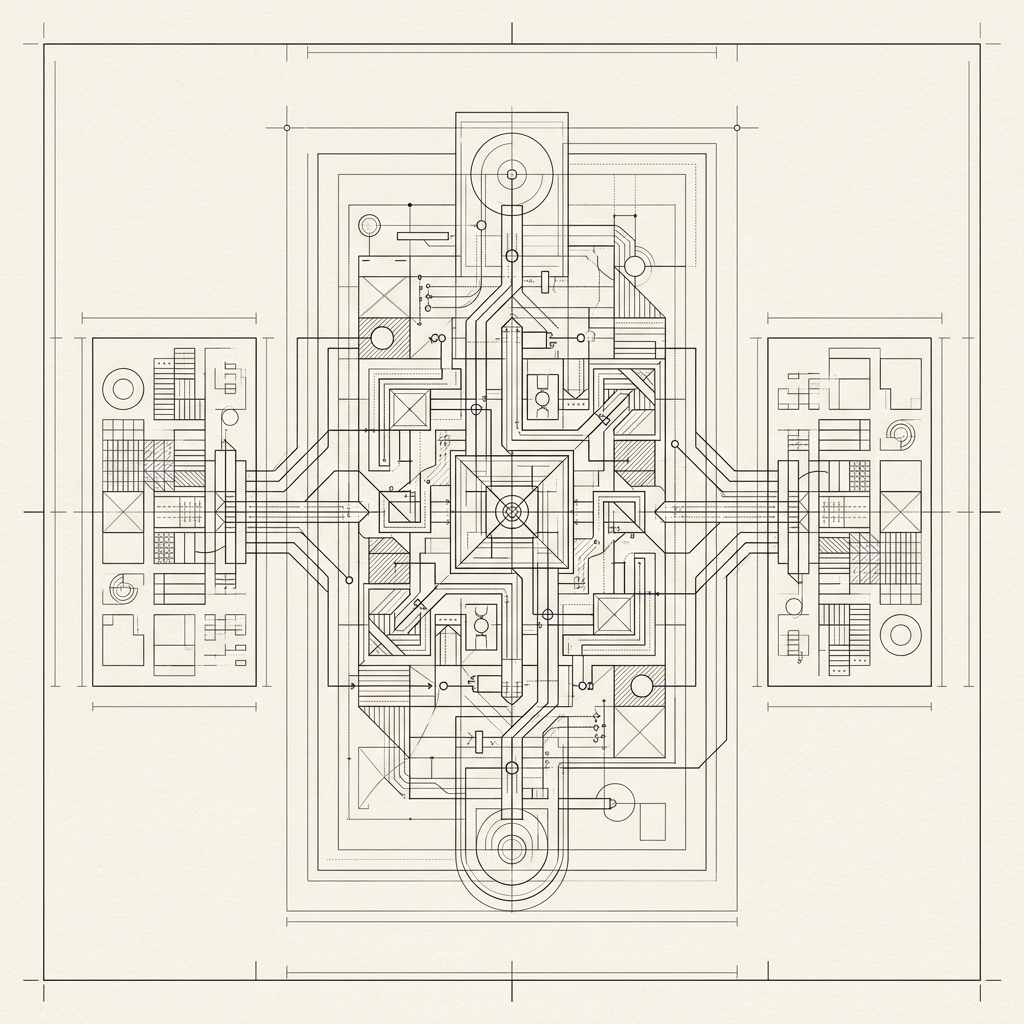
Figure 4: A visualization of the state synchronization bridge, showing the alignment between the agentic world model and the physical disk state.
Optimizing Context via Discovery Windows
Balancing the depth of structural discovery with finite cognitive context is a primary research challenge. An agent cannot read the entire repository into its context window, so it must be highly selective about what it "knows." Our analysis has led to the implementation of optimized discovery windows: strict limits on the volume of confirmed information the system can maintain in its active reasoning state. These windows are not just about file count: they are about the density of verified evidence.
By anchoring the system's reasoning to verified evidence rather than statistical likelihood, we have achieved a breakthrough in reliability. The system no longer has to make assumptions about existing relationships: it has the verified proof. This has resulted in a near total elimination of hallucinated context in our benchmarks across complex, enterprise scale repositories. The system maintains exactly what is necessary for the current task, pruning away peripheral data that could lead to reasoning degradation.
Conflict Resolution and Concurrent Fidelity
In a collaborative environment, the ground truth is constantly shifting. Our future research into state fidelity focuses on concurrent conflict resolution. When an agent and a human developer are working on the same module, the synchronization layer must manage the merging of intent and physical state. We are developing heuristics that allow the agent to detect when its "Architectural Contract" has been violated by an external change, allowing it to autonomously re plan and adapt without user intervention.
This level of state awareness is what separates CleanSlate from traditional copilot systems. It does not just provide suggestions based on the current file: it maintains a deep, historical, and synchronized understanding of the entire project structure. This fidelity is the foundation of trust, ensuring that the system's autonomous actions are always grounded in reality.